How the Clowns Work

Performance Process

Meeting and Pre-Event Preparation
01

Meeting and Pre-Event Preparation

The Red Nose Doctors meet at a designated location within the medical institution to confirm the day’s service arrangements, division of responsibilities, and routes. They also have a brief discussion with the hospital contact person to understand any special circumstances and matters requiring attention that day.

Medical Records and Information Review
02

Medical Records and Information Review

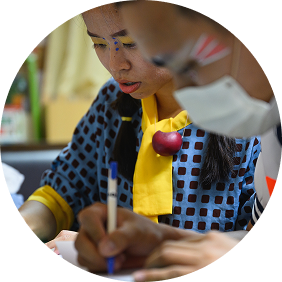
Before entering the wards, read the ward list and basic medical condition records to understand:

  • Age and basic condition
  • Emotional or physical limitations
  • Whether the patient is suitable for interaction or requires gentle companionship


Ensure that the performance approach is safe, appropriate, and respectful of each patient’s needs.

Changing Costumes and Warming Up
03

Changing Costumes and Warming Up

Put on the Red Nose Doctor costumes and props, and engage in physical and mental warm-ups and coordination exercises. Through brief improvisational interactions, establish the rhythm and state of the two-person partner team, preparing to enter the wards.

Ward-Round Parade
04

Ward-Round Parade

Use music or lighthearted interactions to conduct a “parade-style opening” in the common areas outside the wards, allowing laughter to flow naturally and enabling people inside the wards to experience a relaxed atmosphere in advance.


This stage is about:

  • Easing the atmosphere in the medical space
  • Testing the atmosphere on site
  • Naturally establishing a presence
Ward Performances and Individual Interactions
05

Ward Performances and Individual Interactions

Enter the wards to present tailor-made improvisational performances. Adjust the content according to the situation on site; this may include:

  • Musical performances
  • Short stories and character interactions
  • Gentle conversation and emotional companionship
  • Lighthearted interactions with family members or medical staff


Emphasize that each interaction is “unique to the individual” and involves “real-time responsiveness,” allowing every encounter to unfold naturally.

Summary, Documentation, and Feedback Review
06

Summary, Documentation, and Feedback Review

After the service concludes, conduct a team review and document the following:

  • Document special case circumstances
  • Share observations and feelings from the site
  • Discuss areas for improvement
  • Compile feedback from the hospital


Ensure continuous improvement in service quality and prepare for the next round of companionship.